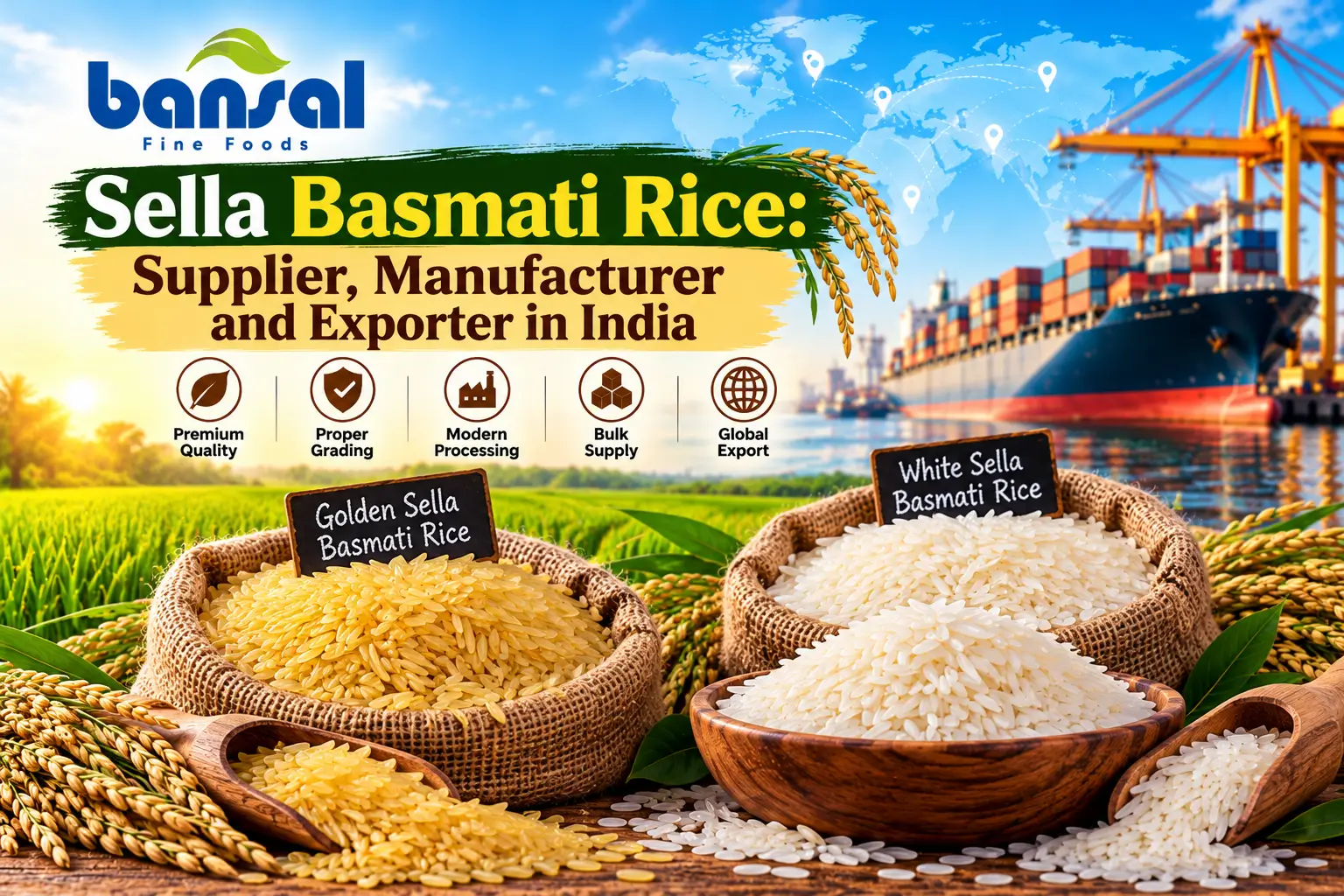
Rice is one of the most widely consumed food grains across the world. Among the different rice varieties available in the market, Basmati rice holds a special place because of its distinctive aroma, long grains, and cooking characteristics. Sella Basmati rice is particularly popular among households, restaurants, hotels, caterers, and international food distributors because of its firm texture and suitability for preparing a wide range of dishes.
With increasing demand for quality rice products, businesses are looking for dependable suppliers and manufacturers who can provide consistent grain quality, proper processing, hygienic packaging, and reliable bulk supply. Choosing an experienced sella basmati rice supplier is important for wholesalers, retailers, distributors, and food businesses that want to meet their customers’ expectations.
Similarly, working with a professional sella basmati rice manufacturer helps buyers source rice processed according to their required specifications, including grain length, colour, moisture content, and broken percentage.
Bansal Fine Foods aims to serve the food grain market by understanding the requirements of domestic and international buyers. For businesses looking for quality rice products, understanding Sella Basmati rice, its processing methods, and important purchasing factors can help make better sourcing decisions.
What Is Sella Basmati Rice?
Sella Basmati rice is a type of parboiled Basmati rice that undergoes a special processing method before milling. During parboiling, paddy rice is soaked in water, steamed, and dried before the husk and bran layers are removed through milling.
This process changes the physical characteristics of the grain and helps it retain its shape during cooking. Sella Basmati rice is generally known for its firm texture, separate grains, and suitability for large-scale food preparation.
It is commonly used in:
- Biryani and pulao preparation.
- Restaurants and hotel kitchens.
- Catering and food service businesses.
- Household meals and special occasions.
- Wholesale and retail rice distribution.
- International food markets.
Sella Basmati rice is available in different varieties and grades. Buyers can select products according to grain length, processing type, cooking requirements, and market preferences.
Different Types of Sella Basmati Rice
Sella Basmati rice is available in different processing and colour categories. Each type has specific characteristics and commercial applications.
- Golden Sella Basmati Rice
Golden Sella Basmati rice gets its characteristic golden or yellowish colour during the parboiling process. It is widely used in restaurants, hotels, and commercial kitchens.
Its firm texture helps the grains remain separate after cooking, making it suitable for preparing biryani and other rice-based dishes.
- White Sella Basmati Rice
White Sella Basmati rice is processed to retain a lighter colour while benefiting from the parboiling method.
It is preferred by buyers who want the cooking characteristics of parboiled rice with a white appearance. It is suitable for household consumption, catering, and commercial food preparation.
- Steam Basmati Rice
Steam Basmati rice undergoes steaming during processing, which helps improve the firmness of the grains.
It generally has a white appearance and is used in households, restaurants, and food service businesses. It is important to understand that steam rice and Sella rice involve different processing methods, even though both can offer firm cooking characteristics.
- Traditional Basmati Rice
Traditional Basmati rice is known for its distinctive aroma, elongated grains, and characteristic cooking properties.
It is used for preparing biryani, pulao, and other traditional rice dishes. Buyers may choose traditional varieties based on their preferences for aroma, grain length, and cooking results.
Why Is Sella Basmati Rice Popular in Domestic and International Markets?
Sella Basmati rice has gained popularity among commercial and household buyers because of its cooking properties and versatility.
Several factors contribute to its demand.
- Firm Grain Texture
One of the major characteristics of Sella Basmati rice is its firm grain structure. The parboiling process helps the grains retain their shape during cooking.
This makes it suitable for dishes where separate and well-formed grains are preferred.
- Suitable for Biryani Preparation
Biryani is one of the most popular rice-based dishes in India and several international markets.
Sella Basmati rice is commonly selected for commercial biryani preparation because its grains can remain firm and separate when cooked correctly.
Restaurants, caterers, and food service businesses often consider this variety for large-scale food preparation.
- Suitable for Bulk Cooking
Hotels, restaurants, catering companies, and institutional kitchens often prepare rice in large quantities.
Sella Basmati rice is suitable for these applications because of its cooking characteristics and ability to maintain grain structure when prepared properly.
- Multiple Processing Options
Buyers can choose from different Sella Basmati rice varieties based on colour, grain length, quality specifications, and intended applications.
This flexibility allows wholesalers and distributors to serve different customer segments.
- Demand in International Food Markets
Basmati rice is consumed in several countries, particularly across the Middle East, Asia, Europe, and other international markets.
Sella Basmati rice serves buyers who prefer parboiled rice for traditional recipes, commercial cooking, and food distribution.
Importance of Choosing a Reliable Sella Basmati Rice Supplier
Selecting the right supplier is important for businesses purchasing rice regularly. Product quality, grain specifications, packaging, storage, and delivery arrangements can directly influence business operations.
A dependable sella basmati rice supplier should understand the requirements of different buyers and provide clear information about the products being offered.
Here are some important factors to consider.
- Consistent Rice Quality
Consistency is essential for businesses that purchase rice in bulk. Buyers generally expect similar grain length, colour, aroma, and cooking characteristics across different orders.
Suppliers should maintain appropriate quality checks to ensure that products meet the agreed specifications.
- Grain Length and Uniformity
Grain length is an important factor when purchasing Basmati rice. Different buyers may prefer different grain lengths depending on their target market and product positioning.
Uniform grains also contribute to the appearance of cooked rice, particularly in biryani and other premium rice dishes.
- Moisture and Broken Grain Percentage
Moisture content and broken grain percentage are important quality parameters.
Excessive moisture can affect storage stability, while a higher percentage of broken grains may not meet the expectations of certain premium buyers.
Businesses should request product specifications before confirming bulk orders.
- Proper Packaging
Packaging helps protect rice during storage, transportation, and distribution.
A professional supplier should understand different packaging requirements, including retail packs and bulk commercial bags.
Common packaging sizes may include:
- 5 kg consumer packs.
- 10 kg retail bags.
- 25 kg commercial bags.
- 50 kg bulk packaging.
- Customised private-label packaging, where available.
- Reliable Bulk Supply
Wholesalers, distributors, supermarkets, and food service businesses often require rice in large quantities.
A supplier should communicate product availability, order quantities, delivery schedules, and commercial terms clearly.
- Transparent Business Communication
Clear communication helps buyers understand the available rice varieties, specifications, pricing, and packaging options.
Before placing an order, businesses should discuss their requirements and confirm all relevant product and delivery details.
How Does a Sella Basmati Rice Manufacturer Process Rice?
The manufacturing and processing of Sella Basmati rice involve several stages. Each stage plays an important role in maintaining grain quality and preparing the final product for commercial distribution.
An experienced sella basmati rice manufacturer follows suitable processing and quality control practices to prepare rice according to market requirements.
- Paddy Selection and Procurement
The process begins with selecting suitable Basmati paddy. The quality of raw paddy influences the final grain characteristics, aroma, and overall product quality.
Manufacturers source paddy according to the required variety and processing specifications.
- Cleaning and Pre-Processing
The harvested paddy is cleaned to remove unwanted materials such as dust, stones, straw, and other impurities.
This stage helps prepare the raw material for the parboiling process.
- Soaking
The cleaned paddy is soaked in water under controlled conditions.
This allows moisture to enter the grains and prepares them for the steaming stage.
- Steaming and Parboiling
The soaked paddy undergoes steaming. Heat treatment helps bring about physical and structural changes within the grain.
This process is responsible for several characteristics associated with Sella rice, including its firmer texture.
- Drying
After steaming, the paddy is dried to reduce moisture content to a suitable level for milling and storage.
Proper drying is important for maintaining grain quality and supporting further processing.
- Milling and Dehusking
Once the paddy reaches the appropriate moisture level, it undergoes milling.
The outer husk and bran layers are removed to obtain the rice grains. Milling equipment is used to prepare the finished rice according to the required specifications.
- Grading and Sorting
The rice is separated according to grain length, size, colour, and quality.
Broken grains and unwanted materials are removed through suitable grading and sorting processes.
- Quality Inspection and Packaging
Before packaging, the finished rice is checked against relevant quality parameters.
The rice is then packed in suitable bags or packaging materials according to buyer requirements.
Proper packaging supports safe storage, handling, and transportation.
How to Choose the Right Sella Basmati Rice for Your Business
Different businesses have different requirements when purchasing Sella Basmati rice. A retailer may focus on consumer preferences, while a restaurant may prioritise cooking performance and bulk availability.
Consider the following factors before purchasing.
Identify the Rice Type: Decide whether you require Golden Sella, White Sella, or another Basmati variety.
Check Grain Specifications: Review grain length, broken percentage, moisture content, and other relevant parameters.
Understand Cooking Requirements: Consider the dishes for which the rice will be used. Biryani, pulao, and regular meals may have different requirements.
Review Packaging Options: Select packaging according to your distribution model and customer requirements.
Compare Supplier Reliability: Evaluate product consistency, supply capacity, communication, and delivery arrangements.
Discuss Commercial Terms: Confirm pricing, minimum order quantities, payment conditions, transportation, and delivery schedules.
These considerations can help buyers select suitable products and establish dependable business relationships.
Role of Sella Basmati Rice Suppliers in International Trade
International rice trade involves several activities beyond product sourcing. Exporters and suppliers need to coordinate quality requirements, packaging, documentation, shipping, and destination-specific regulations.
A professional supplier or exporter helps connect Indian rice businesses with international wholesalers, distributors, retailers, and food service companies.
Some important responsibilities include:
- Understanding international buyer specifications.
- Maintaining consistent product quality.
- Providing suitable retail and bulk packaging.
- Coordinating export documentation.
- Arranging shipment and transportation.
- Following applicable food safety and import regulations.
- Maintaining communication throughout the order process.
Depending on the destination country, export shipments may require commercial invoices, packing lists, shipping bills, certificates of origin, phytosanitary documentation, and other applicable certificates.
International buyers should always confirm the relevant import requirements before placing an order.
Why Choose Bansal Fine Foods for Sella Basmati Rice?
Choosing the right food grain partner is important for businesses that require consistent products and dependable supply arrangements.
Bansal Fine Foods focuses on serving the food products market and understanding the requirements of different buyers.
For businesses searching for a reliable sella basmati rice supplier, important considerations include product specifications, grain quality, packaging options, order quantities, and supply arrangements.
Bansal Fine Foods aims to support buyers looking for quality food products for domestic and international markets.
The company recognises that different customers have different purchasing requirements. Wholesalers may need bulk quantities, retailers may prefer consumer-friendly packaging, and food service businesses may require rice suitable for commercial cooking.
Buyers looking for a sella basmati rice manufacturer or sourcing partner can connect with Bansal Fine Foods to discuss available rice varieties, product specifications, packaging options, and bulk order enquiries.
Before confirming an order, customers should discuss the required rice variety, grain length, processing type, quality parameters, and delivery expectations directly with the company.
Growing Opportunities in the Sella Basmati Rice Market
The demand for Basmati rice continues to create opportunities across retail, hospitality, food service, and international distribution.
Sella Basmati rice has an important role in this market because of its suitability for different cooking applications.
Some important business opportunities include:
- Restaurant and Hotel Industry
Restaurants and hotels require quality rice for preparing biryani, pulao, and other traditional dishes.
They generally look for products that offer consistent cooking results and suitable bulk availability.
- Wholesale and Retail Distribution
Wholesalers and retailers purchase Basmati rice in different packaging sizes to serve household and commercial customers.
Consistent quality and competitive commercial terms are important in this segment.
- Catering and Institutional Supply
Catering businesses, event organisers, and institutional kitchens often require rice in large quantities.
Sella Basmati rice can be considered for large-scale food preparation where firm, separate grains are preferred.
- International Export Markets
International buyers look for suppliers who can meet their product specifications, packaging preferences, and documentation requirements.
Indian rice suppliers can serve these markets through organised sourcing, processing, and export arrangements.
Frequently Asked Questions (FAQs)
- What is Sella Basmati rice?
Sella Basmati rice is parboiled Basmati rice that undergoes soaking, steaming, and drying before milling. It is known for its firm texture and suitability for dishes such as biryani and pulao.
- What are the different types of Sella Basmati rice?
Common types include Golden Sella Basmati rice and White Sella Basmati rice. They differ mainly in appearance and processing characteristics.
- How do I select a reliable sella basmati rice supplier?
Check grain quality, length, broken percentage, moisture content, packaging, storage practices, pricing, and bulk supply capacity before selecting a supplier.
- What does a sella basmati rice manufacturer do?
A manufacturer processes Basmati paddy through cleaning, soaking, steaming, drying, milling, grading, sorting, quality inspection, and packaging.
- Is Sella Basmati rice suitable for biryani?
Yes. Sella Basmati rice is commonly used for biryani because its firm grains can remain separate when cooked correctly.
- Can Sella Basmati rice be purchased in bulk?
Yes. Wholesalers, distributors, restaurants, hotels, caterers, and institutional buyers commonly purchase Sella Basmati rice in bulk.
- What factors affect the quality of Sella Basmati rice?
Important factors include paddy quality, processing conditions, grain length, moisture content, broken percentage, milling, grading, and storage.
- What packaging options are available for Sella Basmati rice?
Common options include 5 kg, 10 kg, 25 kg, and 50 kg bags. Actual packaging availability depends on the supplier and buyer requirements.
- How can I enquire about Sella Basmati rice from Bansal Fine Foods?
You can contact Bansal Fine Foods directly to enquire about product availability, rice specifications, packaging, and bulk purchasing requirements.
Conclusion
Sella Basmati rice is an important product in the domestic and international rice market. Its firm grain texture, cooking characteristics, and suitability for commercial food preparation make it a popular choice among households, restaurants, hotels, wholesalers, and distributors.
Selecting the right sella basmati rice supplier or sella basmati rice manufacturer is essential for maintaining product quality and ensuring dependable supply.
Bansal Fine Foods aims to serve businesses looking for quality food products and reliable sourcing solutions. Whether you are a wholesaler, retailer, restaurant, distributor, or international buyer, choosing the right rice partner can support your business requirements and long-term growth.
Connect with Bansal Fine Foods to discuss Sella Basmati rice availability, product specifications, packaging, and bulk purchasing enquiries.